
Enhancing User Experience: The Importance of Accessibility in Architecture Design
Accessibility in architecture design is no longer a luxury or an afterthought. It is a fundamental aspect that shapes how people interact with buildings and spaces. Designing with accessibility in mind ensures that everyone, regardless of physical ability, age, or other factors, can navigate and use environments comfortably and safely. This blog post explores why accessibility matters in architecture, practical ways to incorporate it, and the benefits it brings to users and communities.

Lobby Reception Desk Featuring ADA-Compliant Transaction Height
Why Accessibility Matters in Architecture
Many people face challenges when using buildings that do not consider their needs. For example, a person using a wheelchair may find stairs impossible to climb, while someone with low vision might struggle with poor lighting or unclear signage. Accessibility in architecture removes these barriers and creates spaces that welcome everyone.
Beyond legal requirements, accessible design reflects respect and inclusion. It improves the quality of life for people with disabilities, older adults, parents with strollers, and even delivery workers or travelers with luggage. When buildings are accessible, they become more functional and inviting for all users.
Key Principles of Accessible Architecture Design
Designing accessible spaces involves more than adding ramps or elevators. It requires a thoughtful approach that considers various needs and scenarios. Here are some essential principles:
Clear and wide pathways
Hallways, doorways, and corridors should be wide enough to accommodate wheelchairs and mobility aids. Avoid clutter and obstacles that could block movement.
Smooth, non-slip surfaces
Floors and walkways must be even and made of materials that reduce slipping risks, especially in wet conditions.
Visible and tactile signage
Signs should use large, high-contrast fonts and include Braille or raised letters for people with vision impairments.
Accessible restrooms and facilities
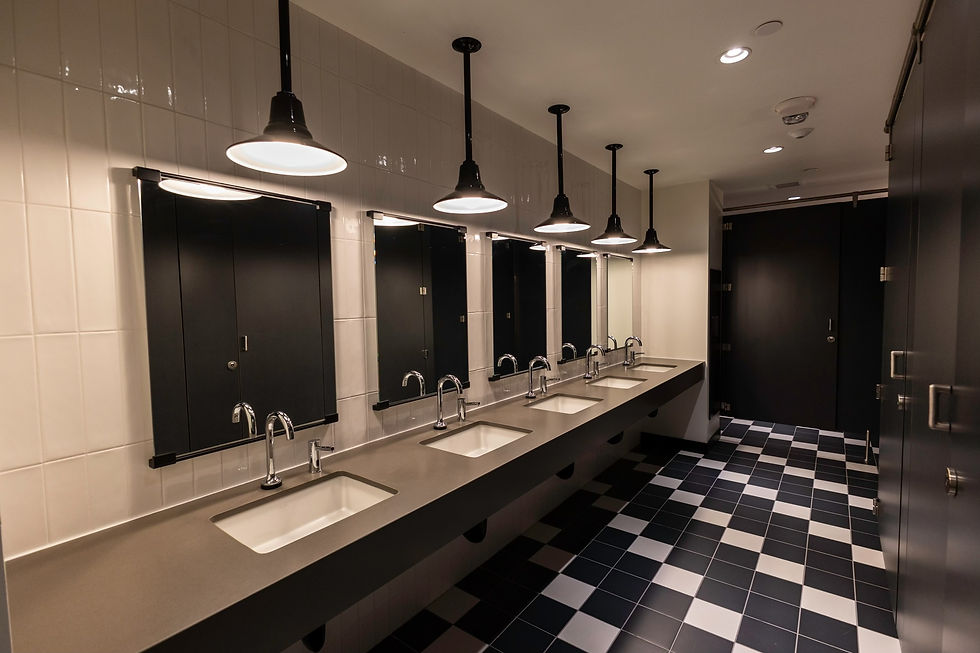
Bathrooms should have grab bars, lowered sinks, and enough space for wheelchair maneuvering.
Adequate lighting
Well-lit areas help people with low vision navigate safely and reduce accidents.
Multiple entry options
Providing ramps, lifts, and stairs ensures that people can choose the most suitable way to enter or exit a building.

Practical Examples of Accessibility in Architecture
Several real-world projects demonstrate how accessible design enhances user experience:
wide ramps, elevators, and clear signage that make it easy for all visitors to explore its many floors. The design also includes quiet zones and seating areas for people with sensory sensitivities.
This elevated park includes elevators and gently sloping ramps, allowing wheelchair users and families with strollers to enjoy the green space without barriers.
Universal design principles by installing automatic doors, accessible parking spots close to entrances, and adjustable-height counters.
Benefits of Accessible Architecture for Everyone
Accessible architecture does more than help people with disabilities. It improves the overall user experience and creates environments that are safer and more comfortable for all. Some benefits include:
Increased independence
People with mobility challenges can move freely without assistance.
Enhanced safety
Features like ramps and non-slip floors reduce the risk of falls and injuries.
Better social inclusion
Accessible spaces encourage participation in community activities and reduce isolation.
Economic advantages
Businesses and public venues that are accessible attract more visitors and customers.
Future-proofing buildings
As populations age, accessible design ensures buildings remain usable for longer.

How to Start Incorporating Accessibility in Your Projects
Architects, designers, and developers can take several steps to prioritize accessibility:
Consult accessibility guidelines
Familiarize yourself with standards such as the Americans with Disabilities Act (ADA) or local building codes.
Engage with users
Include people with disabilities in the design process to understand their needs firsthand.
Use universal design principles
Aim for solutions that work for the widest range of people without the need for adaptation.
Invest in training
Educate your team about accessibility best practices and emerging technologies.
Test and iterate
Prototype designs and gather feedback to improve usability.